Stainless steel is a versatile and widely-used material in various industries due to its unique combination of durability, resistance to corrosion, and aesthetic appeal. When we talk about stainless steel in general, it’s essential to recognize that it comes in different forms and finishes, which are determined at different stages of the production process.
The initial surface finish of stainless steel is produced at the mill level. This finish is typically unpolished and can come in various forms. Two common mill finishes are 2B and BA. The 2B finish is a cold-rolled, dull, and industrial-looking surface, which gives it a matte appearance. It’s a finish that is commonly used in industrial applications where aesthetics are not a priority, but corrosion resistance and durability are still necessary. On the other hand, BA, or Bright Annealed, is another mill finish that has a bright, semi-reflective surface. While it’s more aesthetically appealing than 2B, it still doesn’t offer the polished look commonly seen in architectural or decorative applications.
When we consider architectural uses of stainless steel, such as in modern buildings or decorative features, the surface finishes are often further refined after the initial mill processing. This is where steel service centers or specialty metal manufacturers come into play. These entities apply additional processes to enhance the surface of the stainless steel, making it suitable for visual and design purposes.
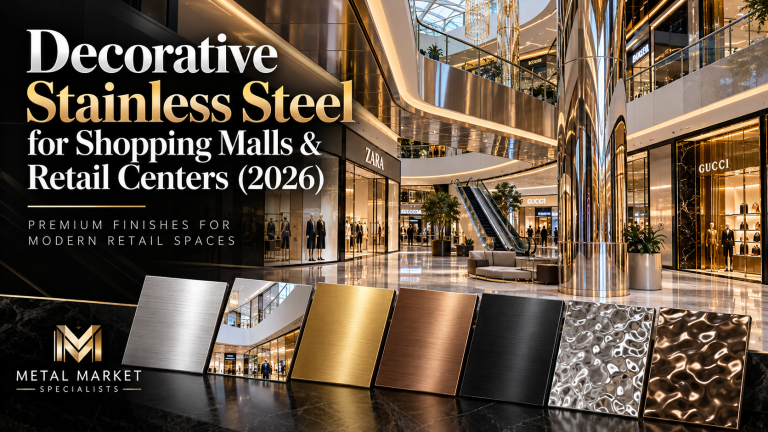
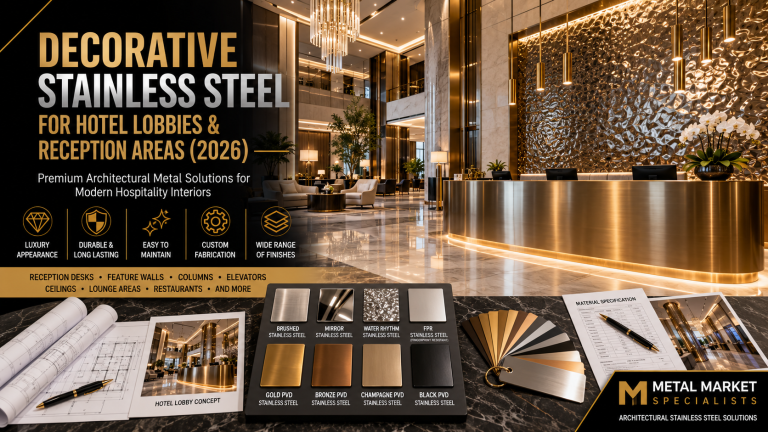
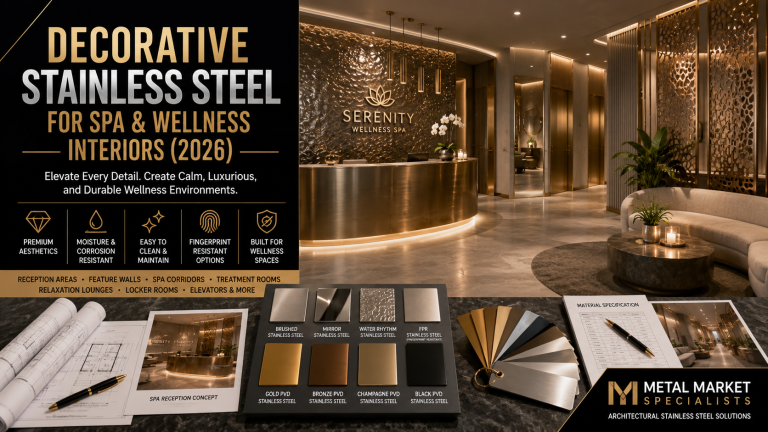
One of the most commonly seen finishes in architectural applications is the satin or #4 polish. This finish gives the stainless steel a smooth, brushed appearance that is both functional and aesthetically pleasing. The satin finish is popular in settings where a sleek, modern look is desired, such as in kitchen appliances, elevators, and exterior building panels. The brushed appearance helps hide fingerprints and smudges, making it a practical choice for high-traffic areas.
Textured finishes are another popular option in architectural stainless steel applications. These finishes provide a three-dimensional effect, adding depth and character to the surface. Textured stainless steel is often used in situations where both aesthetics and functionality are important. The texture can help reduce glare, provide grip in slip-prone areas, or simply enhance the visual appeal of the material.
Colored finishes are also available for stainless steel, offering a range of possibilities for designers and architects. Through processes such as physical vapor deposition (PVD), stainless steel can be coated with a thin film of color that enhances its appearance without compromising its durability or corrosion resistance. Colored stainless steel is commonly used in luxury buildings, public art installations, and interior design elements where a unique aesthetic is desired. The colored surface is not just about appearance; it also adds an extra layer of protection, increasing the longevity of the material.
In conclusion, stainless steel is an incredibly flexible material that can be tailored to fit a wide range of applications, from industrial use to high-end architectural design. The surface finishes produced at the mill level, such as 2B and BA, are just the starting point. Through additional processing at steel service centers or specialty metal manufacturers, stainless steel can be transformed into beautiful, durable finishes like satin, textured, or colored surfaces. These options allow architects and designers to create structures and features that are not only functional but also visually striking, ensuring stainless steel continues to be a material of choice for many industries.