PVD, or Physical Vapor Deposition, is a sophisticated process used to create colored finishes on stainless steel. Unlike other coloring methods, PVD produces a finish that is highly durable, consistent, and visually striking. The process involves the use of a vacuum-sealed chamber where the coloring compounds are applied to the surface of the stainless steel at a molecular level, bonding the compounds directly to the material. This molecular bonding ensures a hard, long-lasting surface, making PVD finishes ideal for various applications.
The PVD Process
The PVD process is carried out in a vacuum-sealed chamber. In this controlled environment, the coating materials are heated until they turn into a vapor state. These vaporized compounds, often metals or metal alloys, then molecularly bond to the stainless steel surface. As the vapor condenses onto the stainless steel, it forms a thin, but extremely hard, colored coating.
This process differs significantly from the more traditional Colourtex Coloring process, which achieves color through electrochemical methods. One of the key benefits of PVD over other coloring methods is its consistency in color. Because the PVD finish bonds physically to the surface and is applied in a controlled environment, the color remains uniform and consistent across the entire surface. This is especially important in design applications where color consistency is critical, such as in interior designs or decorative features.
Durability and Hardness
In addition to providing consistent color, the PVD process also enhances the hardness and durability of the stainless steel surface. The PVD coating forms a hard layer on top of the stainless steel that helps to resist scratches, abrasion, and corrosion, extending the lifespan of the material. If you’ve ever seen tools like gold-colored drill bits or saw blades, you’ve likely encountered PVD coatings. The gold color on these tools is the result of a PVD process that adds a layer of both color and hardness to the surface, ensuring that the tools can withstand heavy use.
Similarly, when applied to stainless steel sheets, PVD finishes provide the material with an extra level of protection while enhancing its aesthetic appeal. The combination of durability and beauty makes PVD-coated stainless steel a popular choice in applications where the material needs to be both functional and decorative.
Applications of PVD-Colored Stainless Steel
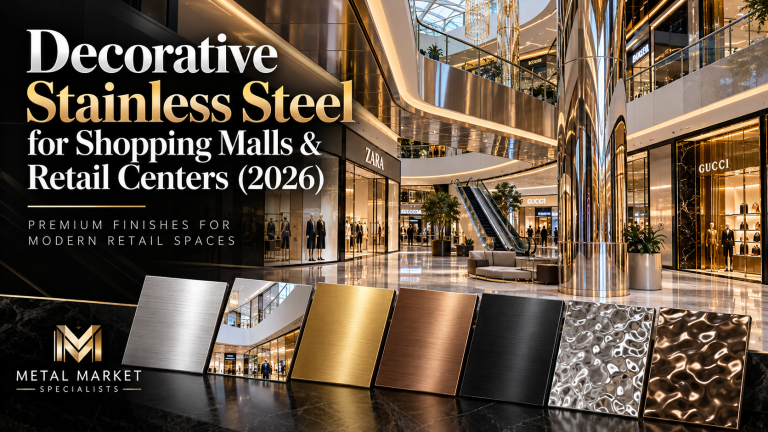
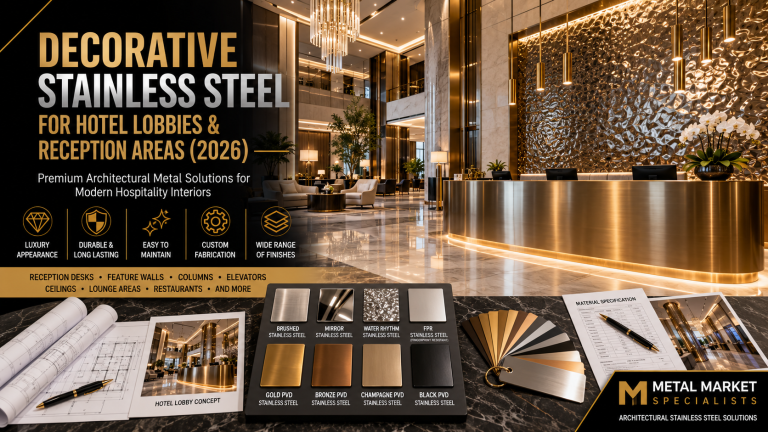
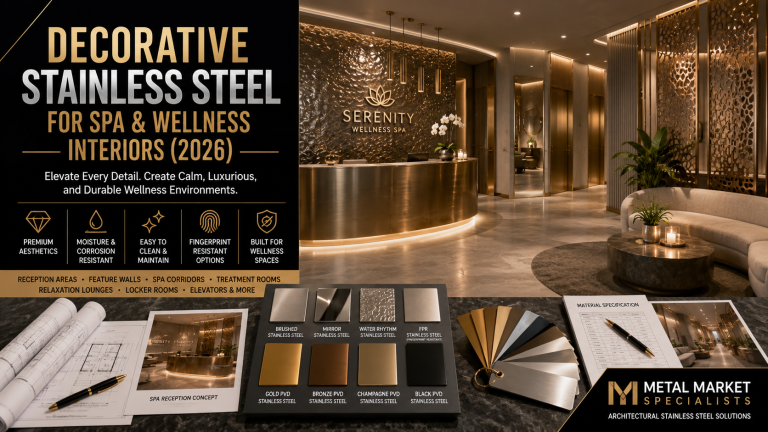
One of the most common uses for PVD-colored stainless steel is in interior applications. The consistent color and smooth finish achieved through the PVD process make it ideal for use in architectural elements, furniture, wall panels, and decorative features. Since the finish is highly durable, it can withstand regular use without losing its luster or scratching easily, making it perfect for high-traffic areas such as elevators, lobbies, or public spaces.
Additionally, because the PVD process allows for a wide range of color options, designers can choose from various shades, including gold, black, bronze, blue, and more, to match the aesthetic requirements of their projects. The ability to achieve bright, bold colors that won’t fade over time ensures that PVD finishes remain a popular choice for design-oriented applications.
However, while PVD-colored stainless steel is highly durable, it is typically more suited for interior rather than exterior applications. While the finish provides excellent protection and aesthetic appeal, harsh outdoor conditions—such as extreme weather or exposure to corrosive elements—might eventually affect the coating. This is why PVD finishes are often recommended for interior use, where maintaining color consistency and achieving a flawless appearance are the main objectives.
Comparison with Other Coloring Methods
The PVD process differs from other methods, such as the Colourtex Coloring process, in that it maintains a consistent color throughout the material. While electrochemical methods like Colourtex produce color by altering the surface properties of the stainless steel, these methods can sometimes result in slight variations in color, especially when viewed from different angles or under different lighting conditions.
By contrast, the PVD process ensures that the color remains uniform and consistent, making it the ideal choice for projects where precision and consistency are critical. The hard coating created by PVD also makes it more resistant to physical wear and tear compared to some other coloring methods, making it suitable for applications where the material may be subject to regular use or handling.
Conclusion
PVD-colored stainless steel offers a combination of aesthetic beauty, color consistency, and enhanced durability that makes it ideal for interior applications where both form and function are important. The physical vapor deposition process creates a hard, protective coating on the stainless steel surface, ensuring that the material can withstand scratches and abrasions while maintaining its vibrant color. Whether used for architectural elements, furniture, or decorative features, PVD finishes provide a durable, long-lasting solution that enhances the visual appeal of stainless steel while ensuring it remains protected from everyday wear and tear. For designers and architects looking for consistent color and durability, PVD-colored stainless steel is a top choice.